Beyond trends. Towards a longer story. There are interiors that look beautiful the moment they are photographed—and then there are interiors that continue to feel beautiful years later. The difference is rarely a particular sofa, colour, material or architectural style. It is something more fundamental: the ability of a space to remain relevant as trends change, lives evolve and our relationship with our homes grows. A timeless interior doesn’t try to predict what will be fashionable five years from now. Instead, it is built around decisions that have lasting value: thoughtful planning, honest materials, good proportions, natural light, functionality and a sense of personal identity. At HARV Atelier, we believe timelessness isn’t about creating a home that looks the same forever. It is about creating one that ages gracefully and has enough flexibility to evolve with the people living in it. Before colour palettes, furniture or decorative details come into the picture, there is something far more important: planning. A timeless interior begins with a layout that makes sense. These questions may not be visible in a photograph, but they determine how successfully a home functions every day. A beautifully decorated room with an awkward layout will eventually become frustrating. A well-planned room, on the other hand, can accommodate changing furniture, colours and accessories without losing its fundamental character. Good planning is the part of interior design that never goes out of style. Timeless does not mean beige. It means choosing colours that have enough versatility to live comfortably with changing tastes. Warm whites, muted greens, earthy browns, soft taupes, stone, sand and natural wood tones can create a quiet foundation. But the real magic comes from layering. Instead of making every surface identical, introduce variation through upholstery, artwork, rugs, cushions, curtains, ceramics and smaller objects. This creates a backdrop that can evolve. A homeowner can change a pair of cushions, introduce a new artwork or replace an accent chair without having to redesign the entire room. The objective isn’t to create a colourless interior. It is to create a flexible visual language. One of the clearest characteristics of a timeless interior is restraint. It isn’t necessarily filled with expensive things. Instead, it tends to contain fewer, better-considered elements. Materials with depth and texture tend to become more interesting as they age. A beautifully grained wooden cabinet can develop character. Natural stone develops variation. Linen softens with use. A well-made piece of furniture can move from one home to another and still feel relevant. This is why timeless design is closely connected to longevity. The question shouldn’t simply be: It should also be: There is a reason natural materials appear repeatedly across architectural history. They connect interiors to something outside of fashion. The important part is not using every natural material available. It is creating balance between them. A stone surface paired with warm timber can feel grounded. Linen curtains can soften a harder architectural element. A textured rug can bring warmth to a clean-lined room. These contrasts give a space depth. And depth is one of the reasons a well-designed interior can remain visually interesting without relying on constant novelty. A room can contain the most fashionable furniture in the world and still feel uncomfortable if the proportions are wrong. Timeless interiors tend to have an almost instinctive sense of balance. Nothing feels unnecessarily oversized or undersized. This is one of the less glamorous—but most important—aspects of interior design. Proportion creates visual calm. It is also why some older interiors continue to look sophisticated even when individual pieces or finishes aren’t currently fashionable. Their underlying relationships remain harmonious. Light is one of the most powerful materials in an interior— and one that never becomes outdated. A timeless home makes the most of the daylight available to it. Large openings, thoughtful window treatments, reflective surfaces, lighter walls and carefully positioned furniture can all influence how daylight moves through a space. But good lighting shouldn’t stop when the sun goes down. A layered lighting scheme—ambient, task and accent lighting— allows the character of a room to change throughout the day. The result is an interior that doesn’t simply look beautiful in a photograph. It feels different and alive as you move through it. A truly timeless interior has to survive everyday life. Functionality is therefore not separate from beauty. It is part of it. Storage should be thoughtfully integrated. Furniture should be comfortable. Materials should suit the way the home is used. Circulation should feel natural. A home that photographs beautifully but doesn’t work comfortably will eventually lose its appeal. The most successful interiors make functionality almost invisible. When everything has a place and the layout feels effortless, good design becomes something you experience rather than notice. Timeless does not mean making everything look as though it came from the same collection. In fact, spaces can become more enduring when they contain layers from different periods. This mixture creates a sense that the home has evolved rather than been assembled in one afternoon. It also gives homeowners freedom. You can inherit a piece from your family, discover something while travelling or fall in love with a completely unexpected object—and still find a place for it. That is what makes an interior feel collected. Perhaps the most important ingredient cannot be purchased from a showroom. It is meaning. A home becomes truly personal through the things that belong to the people who live there. These details tell a story that no trend can replicate. And because that story belongs to the homeowner, it doesn’t become outdated in the same way a trend can. Personal design has longevity because its value is emotional, not merely visual. There is a common misconception that a timeless interior should remain unchanged. It shouldn’t. A timeless home should be able to evolve. The architecture and foundational elements provide continuity, while smaller layers evolve around them. This is where good interior design becomes particularly valuable: it anticipates change without compromising the present. Not one particular style. Not a beige colour palette. Not expensive furniture. Not the latest material. Not avoiding trends altogether. Instead, timelessness comes from a combination of thoughtful planning, proportion, quality, natural materials, adaptable functionality, considered lighting and personal meaning. Trends can provide inspiration. But they should never become the foundation of a home. Because the most successful interiors aren’t designed to impress people for a moment. They are designed to continue making the people who live there feel comfortable, connected and at home. At HARV Atelier, we see timeless design as a balance between what is beautiful today and what will continue to feel right tomorrow. We don’t believe a home should look frozen in time. We believe it should have a strong enough foundation to evolve with you. Because ultimately, the most timeless space isn’t the one that looks fashionable the longest. It is the one that continues to feel like yours.What Actually Makes an Interior Timeless?
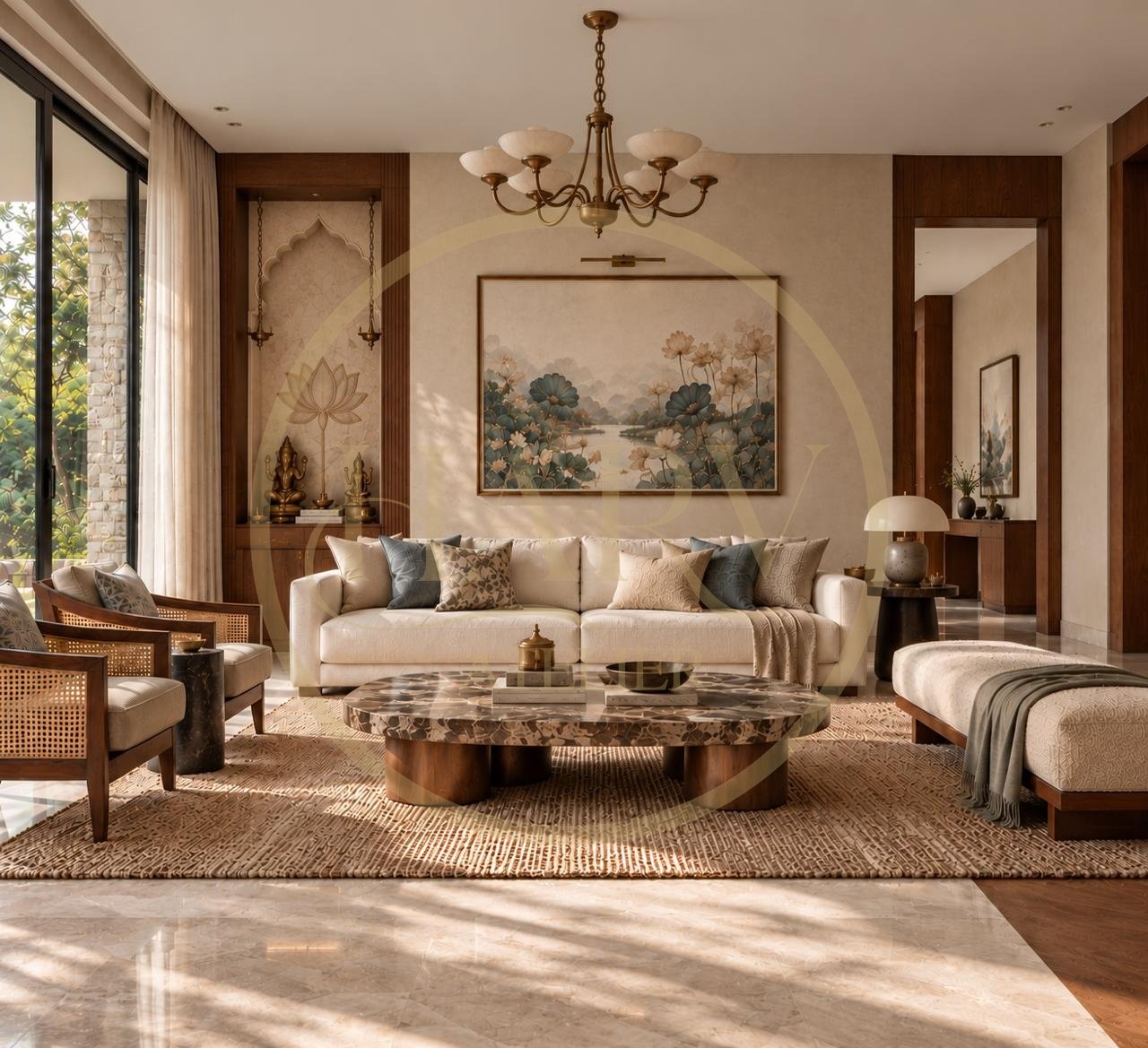
Start With a Thoughtful Foundation
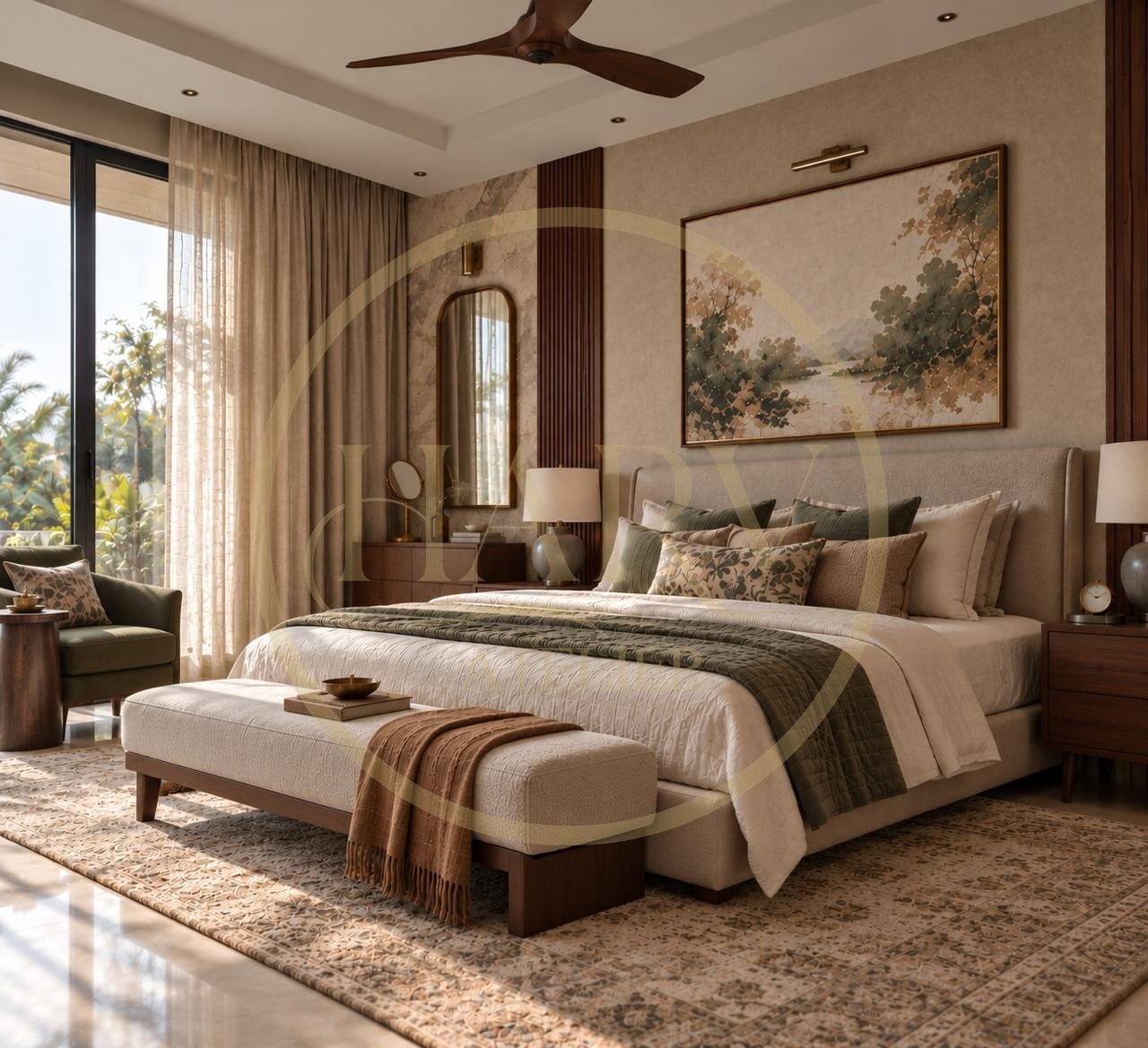
Choose a Palette That Can Evolve
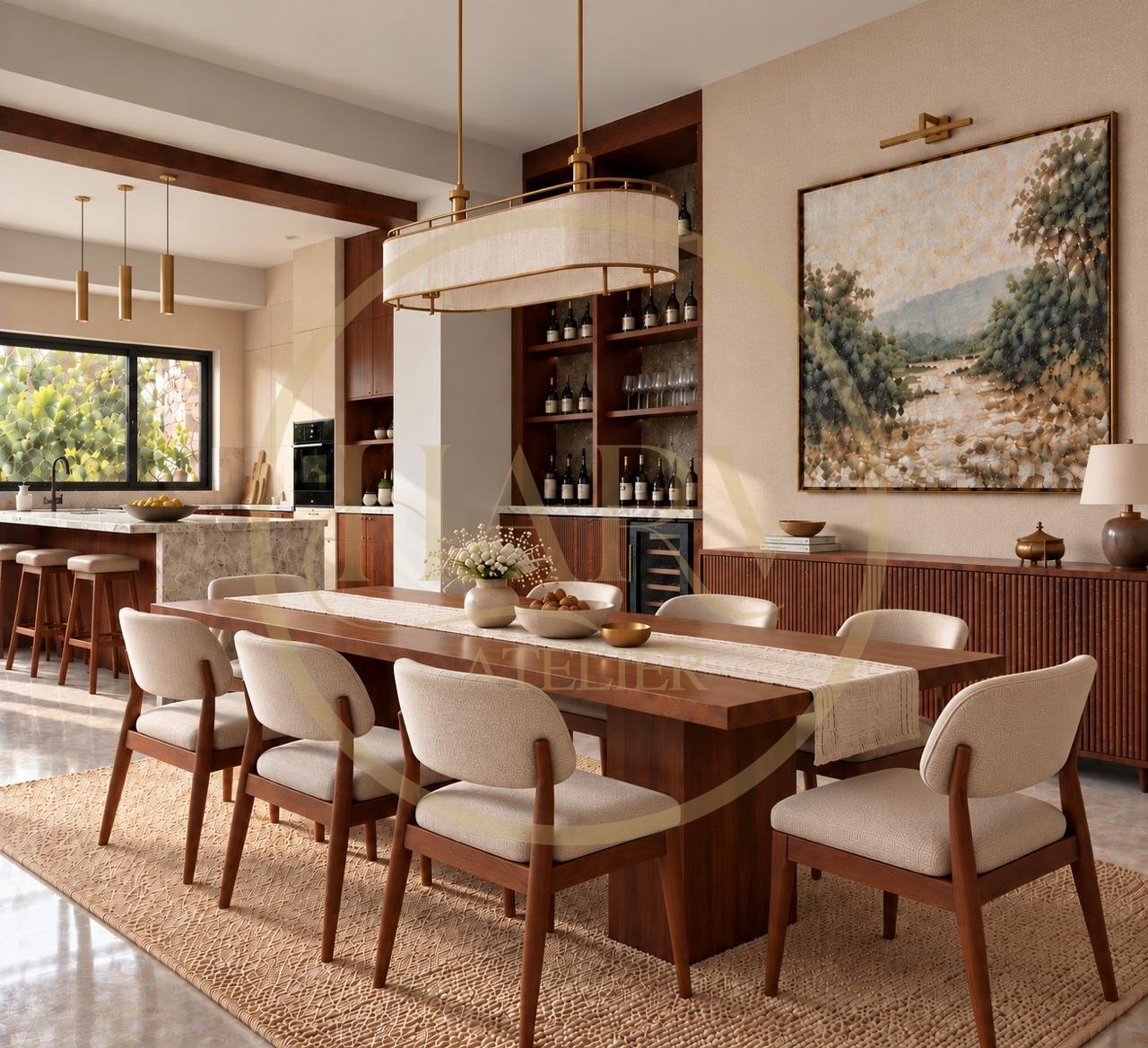
Quality Over Quantity
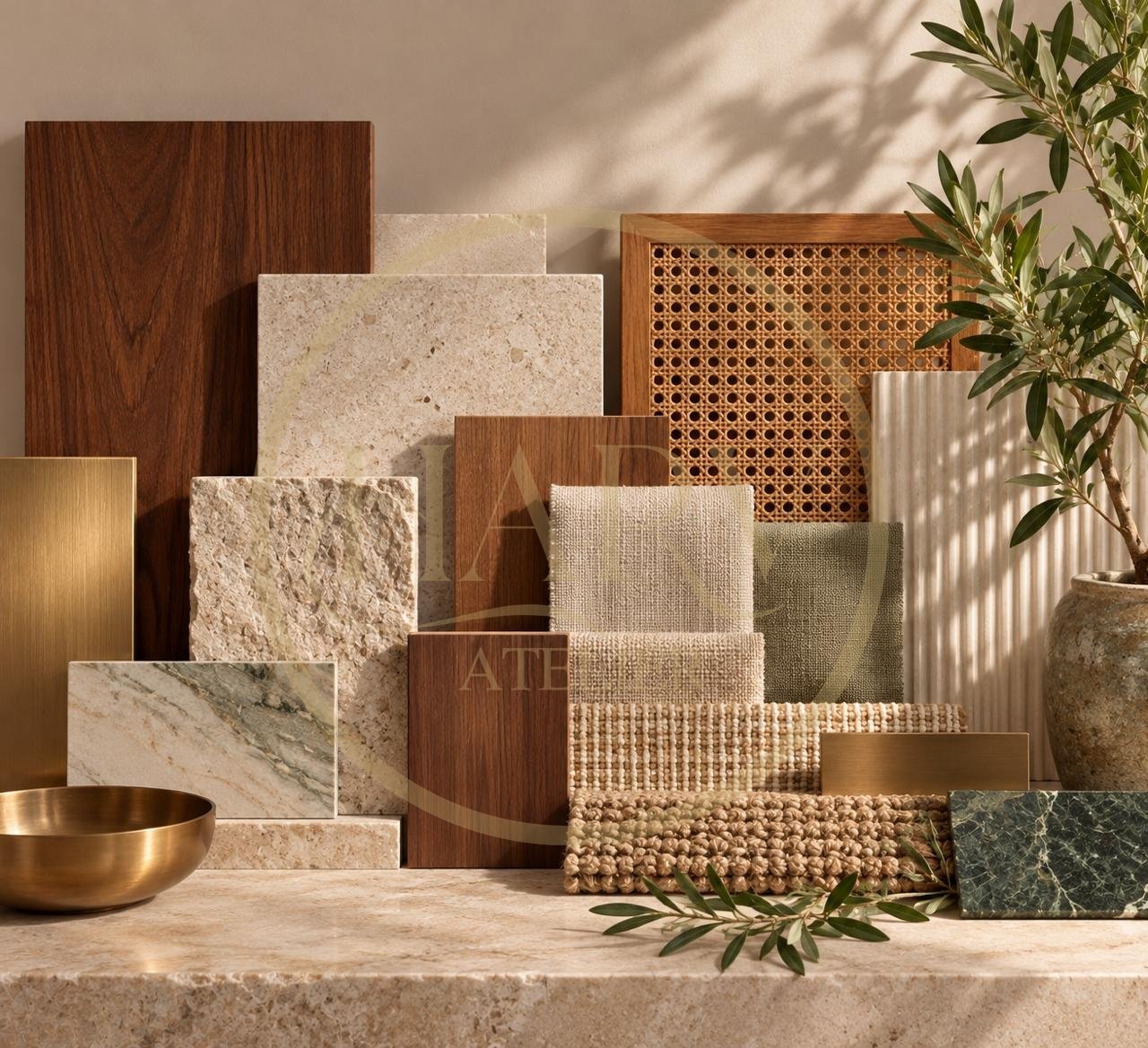
Natural Materials Bring a Sense of Permanence
Proportion Matters More Than Trends
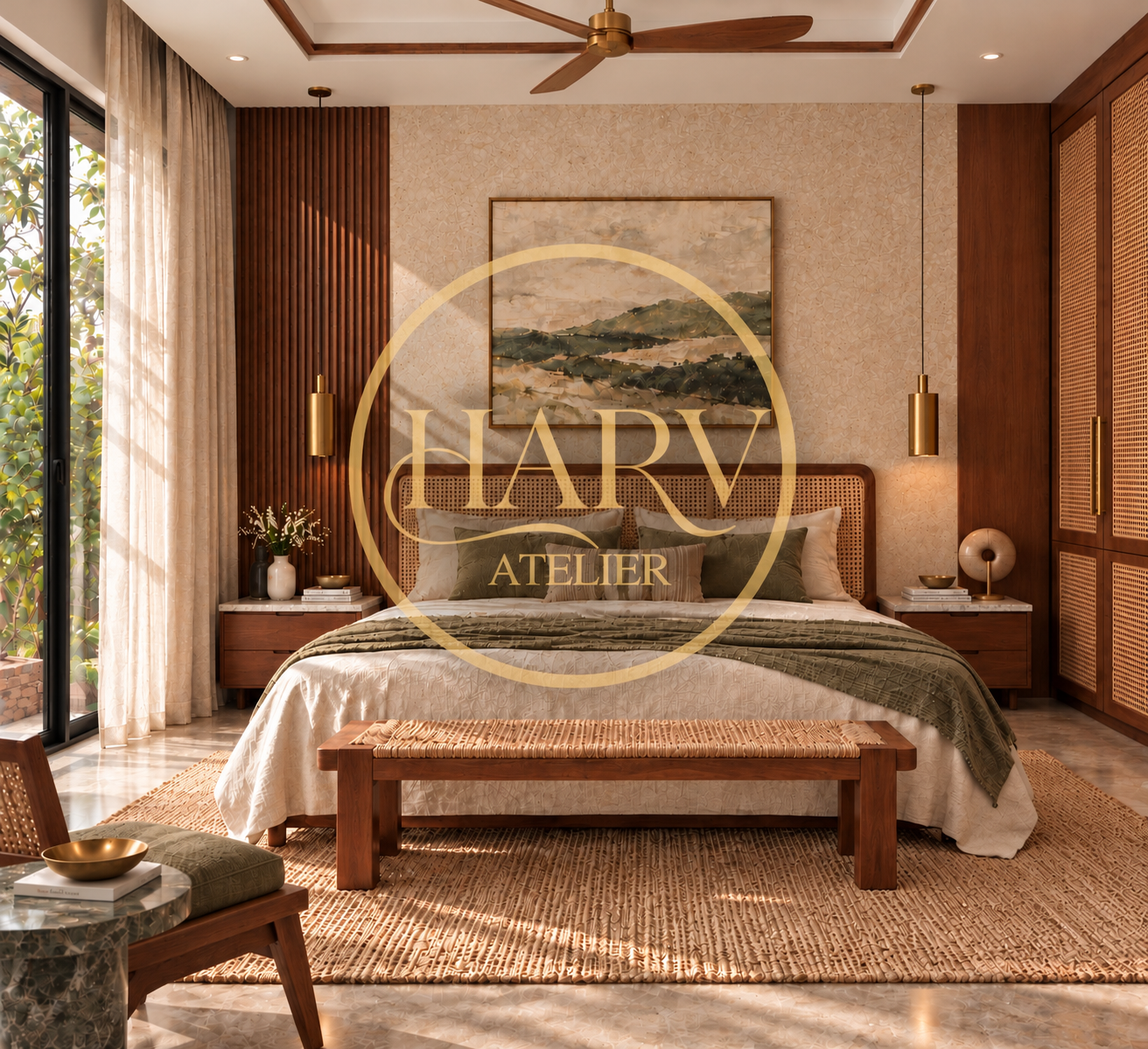
Let Natural Light Become Part of the Design
Design for Real Life, Not Just Photographs
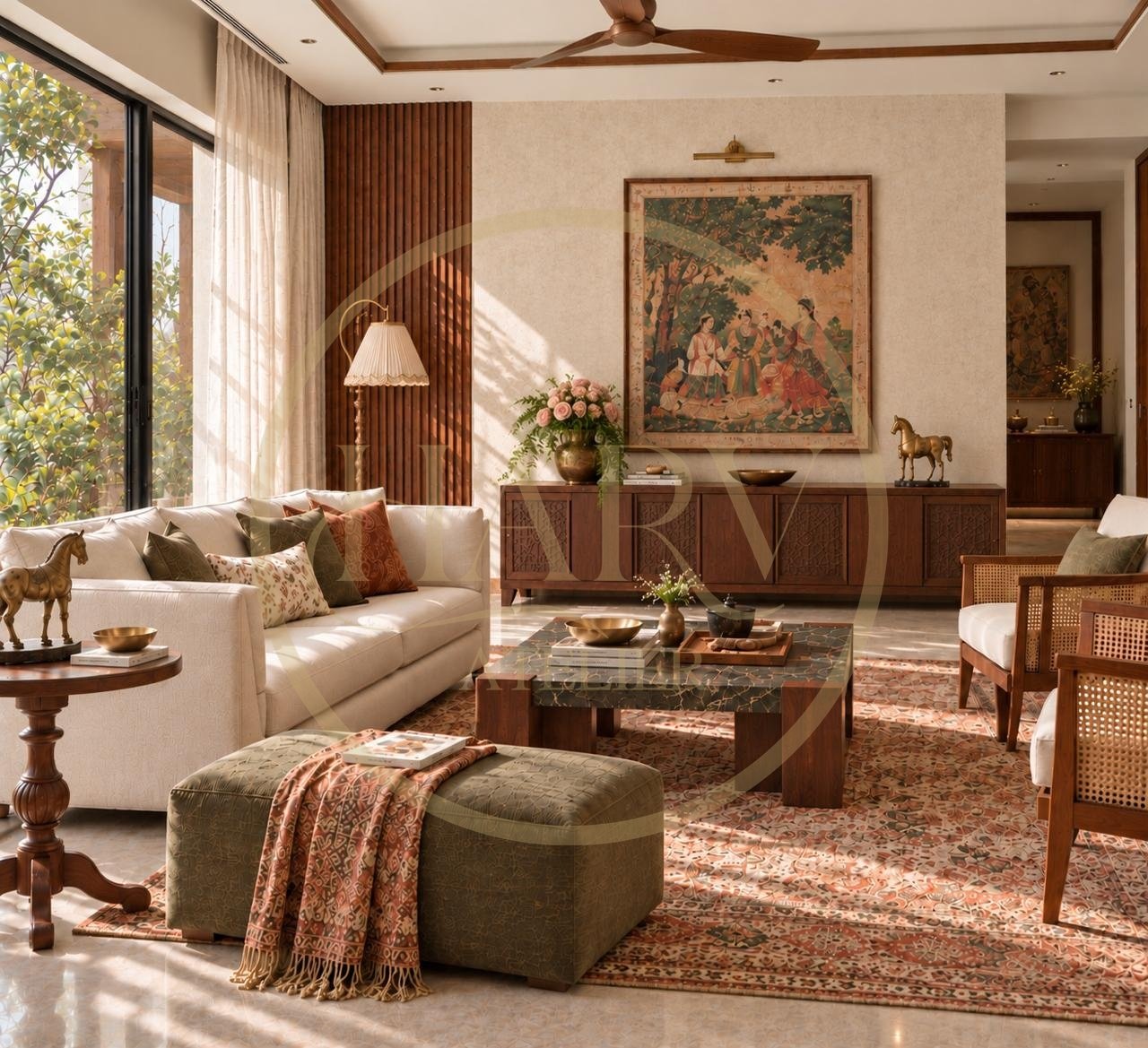
Mix the Old With the New
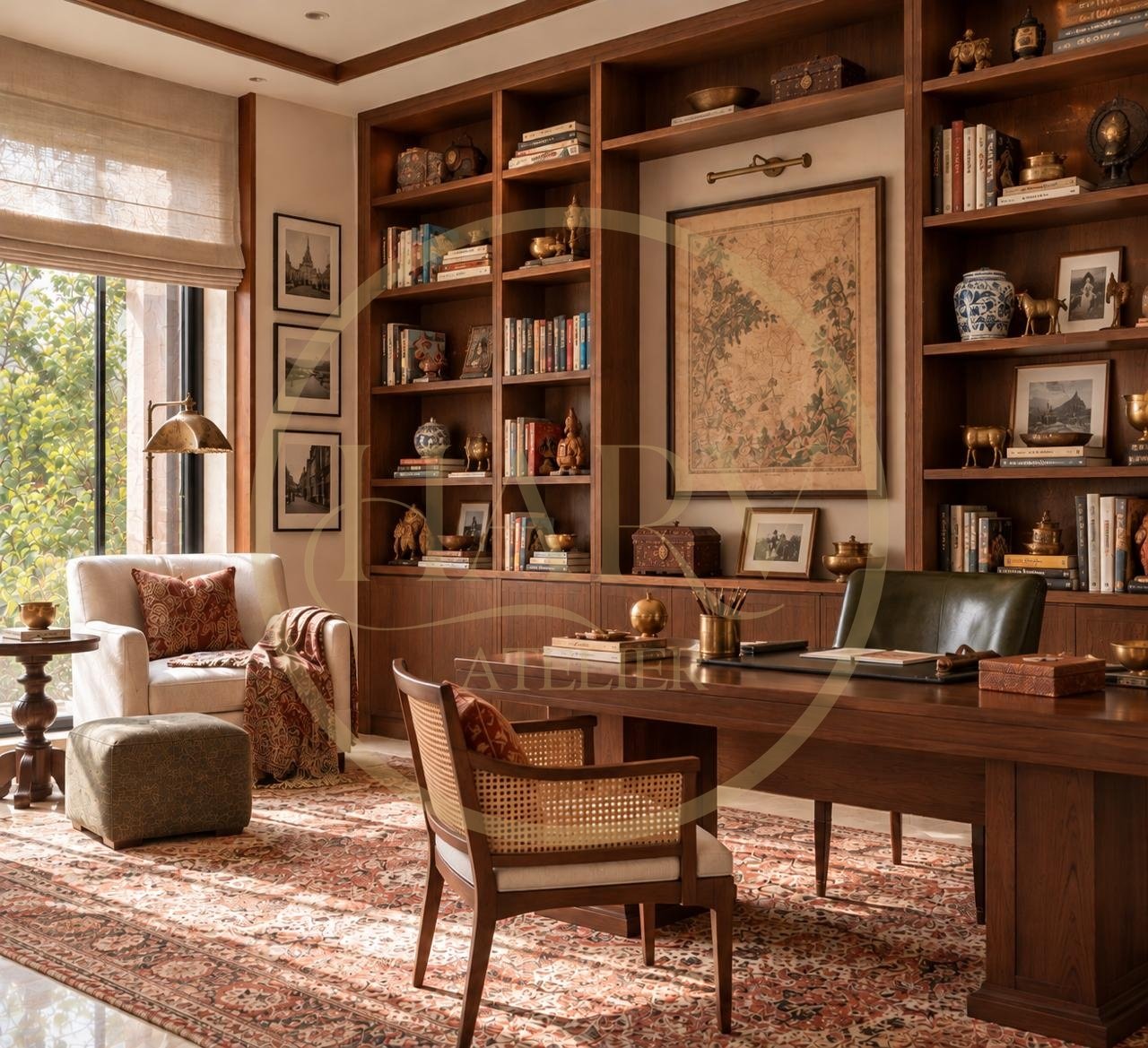
Personal Connection Is What Ultimately Makes a Space Timeless
Timeless Doesn’t Mean Static
So, What Actually Makes an Interior Timeless?
Designing Beyond the Moment
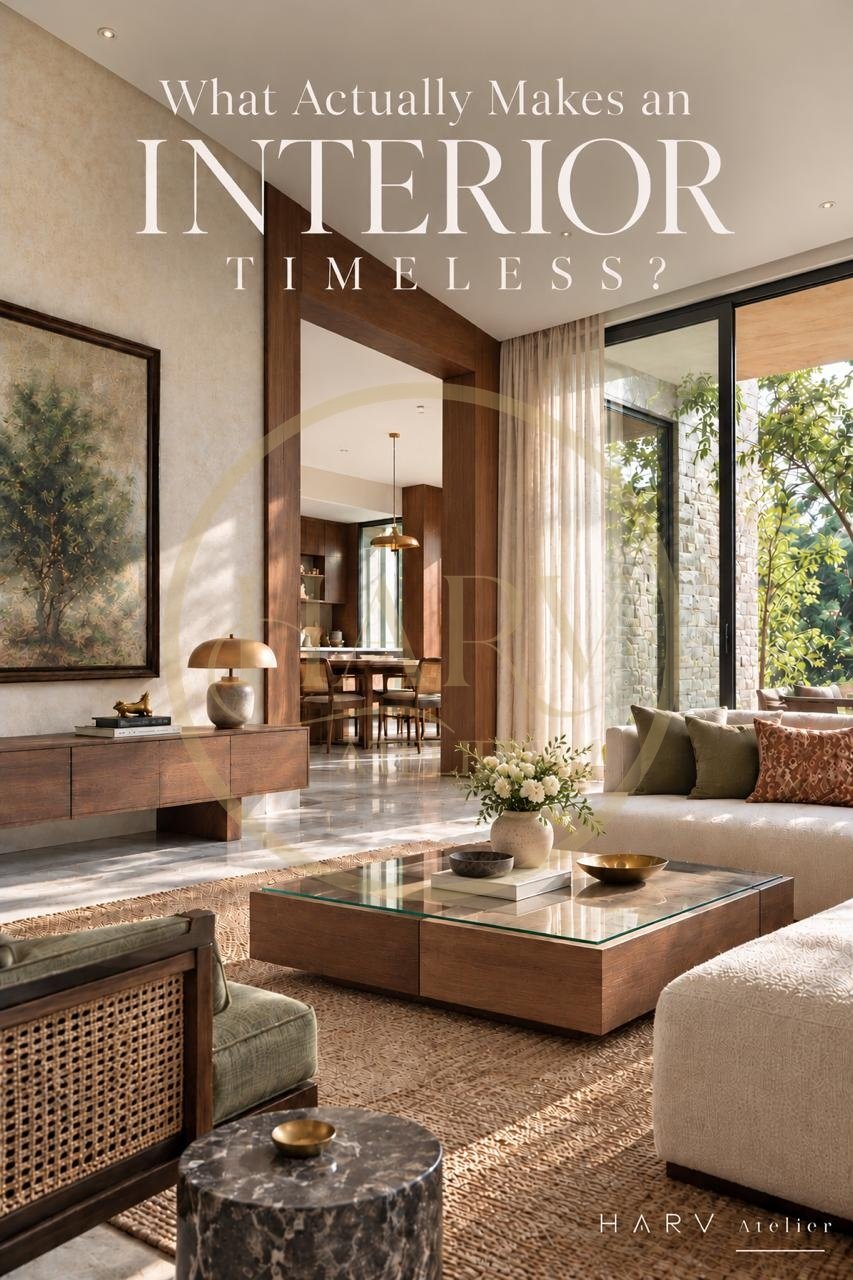
01.
02.
03.
“Does this look good today?”
“Will I still want to live with this five or ten years from now?”
04.
05.
06.
07.
08.
09.
The HARV Atelier Perspective