
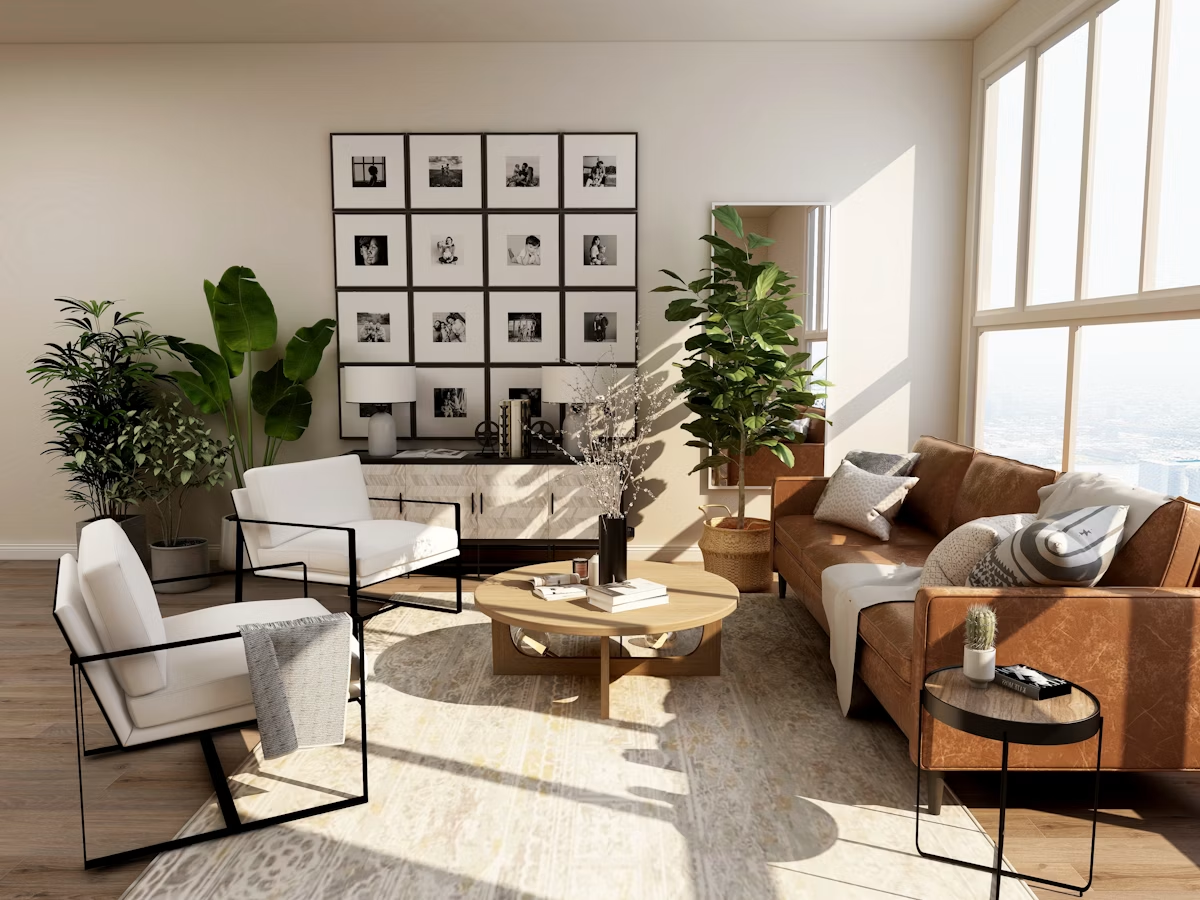
True luxury isn't about excess. It's about intention. In contemporary interior design, the shift toward refined minimalism has redefined what it means to live beautifully.
For years, opulence was measured in layers: heavy drapery, ornate moldings, and gilded accents. Today's high-end clients seek something quieter yet profoundly impactful. They want spaces that breathe, materials that age gracefully, and layouts that prioritize wellbeing over spectacle.
Curating Space Through Restraint
The foundation of minimalist luxury lies in spatial clarity. Every element must earn its place. When fewer pieces occupy a room, each one demands exceptional quality. This philosophy transforms interior design from decoration into architecture of experience.
Luxury is the absence of noise. It's the quiet confidence of a perfectly balanced room.
Material selection becomes the primary driver of sophistication. We're seeing a return to honest finishes: raw marble, brushed brass, aged oak, and hand-woven linens. These textures create depth without visual clutter, allowing light and shadow to become active design elements.
Light as an Architectural Material
In premium residential projects, lighting is no longer an afterthought—it's structural. Layered illumination replaces single-source chandeliers. Recessed cove lighting, hidden LED strips, and sculptural floor lamps work together to paint spaces throughout the day. The result is an environment that evolves with natural rhythms rather than fighting them.
This approach requires meticulous planning. Every fixture placement, beam angle, and color temperature is calibrated to complement the materials it touches. Gold accents catch warm light differently than they do in daylight, and that interplay is where the magic happens.

Lighting transforms texture and space in unexpected ways.
The Human Scale of Elegance
Ultimately, luxury design serves human comfort. Scale, proportion, and ergonomics dictate success more than any trend. A sofa should invite lingering. A dining table should facilitate conversation. A bedroom should feel like a sanctuary.
When restraint meets craftsmanship, the result isn't empty. It's expansive. Rooms feel larger, acoustics soften, and inhabitants breathe easier. This is the new standard of premium living: less decoration, more intention.